
Ultimate Guide To Essential Concrete Leveling Products
Find out which products are favored by contractors for effective, durable, and quick concrete leveling projects.
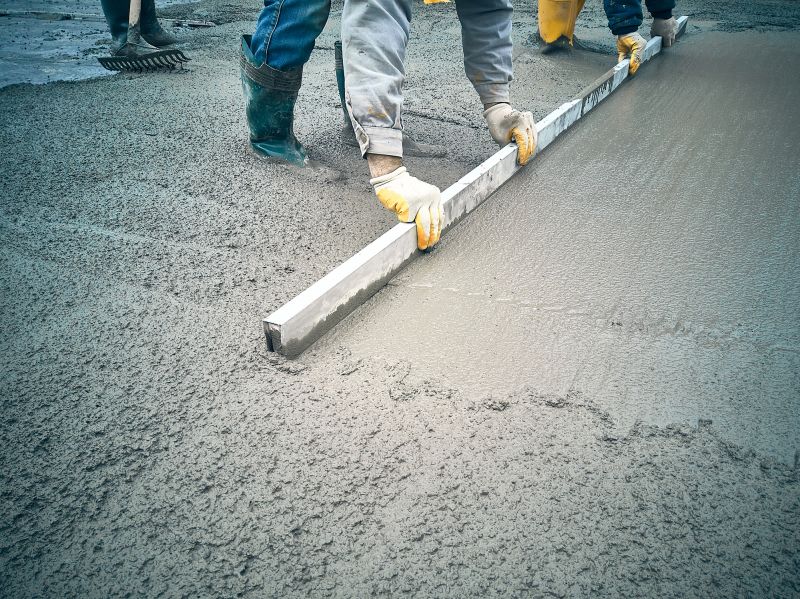 Concrete leveling is an essential process for maintaining the safety, functionality, and appearance of concrete surfaces in residential, commercial, and industrial settings. Over time, concrete slabs can develop unevenness due to soil settlement, freeze-thaw cycles, or ground movement. Addressing these issues promptly can prevent further damage and improve the usability of affected areas. There are various products designed specifically for concrete leveling, each suited to different types of projects and degrees of unevenness.
Top Overall Option
Polyurethane Foam Injection System
A versatile and minimally invasive solution, polyurethane foam injection systems are widely used for concrete leveling due to their quick curing times and ability to lift and stabilize slabs with minimal surface disruption. These systems are suitable for a variety of applications, including driveways, sidewalks, and garage floors, offering a clean and efficient repair process.
Types of Products For Concrete Levelings
Self-Leveling Concrete Compounds
Fluid mixtures designed to create a smooth, level surface on interior floors, ideal for resurfacing or finishing applications.
Polyurethane Foam Injection Kits
Expandable foam used to lift and stabilize sunken slabs with minimal surface disturbance, suitable for quick repairs.
Mudjacking or Slab Jacking Mixes
Traditional cement-based mixes used to lift and level concrete slabs, often suitable for larger areas or structural repairs.
Hydraulic Cement Patches
Heavy-duty patching compounds used for filling cracks and small holes before leveling.
Polymer-Modified Overlays
Layered coatings that can be applied over existing concrete to improve flatness and surface integrity.
Epoxy Injection Systems
Resin-based systems used for repairing cracks and structural issues in concrete slabs.
Fiber Reinforced Patching Materials
Materials that incorporate fibers for added strength when repairing and leveling concrete surfaces.
Polymer Resurfacing Products
Thin coatings applied to improve surface flatness and durability of existing concrete.
Quick-Set Cement Mixes
Fast-curing cement blends suitable for rapid repairs and leveling tasks.
Liquid Cementitious Fillers
Flowable materials used to fill voids and minor depressions in concrete surfaces.
Grout and Underlayment Products
Materials used to level uneven surfaces before final finishing or overlay application.
Polyurea Coatings
Durable, fast-curing coatings that can be applied over leveled surfaces for added protection.
Popular Choices
Widely used for their ease of application and quick curing, these kits are popular for residential and commercial repairs.
Commonly chosen for interior floor projects, these compounds provide a smooth, flat surface.
Traditional and cost-effective, these mixes are often selected for large-scale or structural leveling.
Popular for structural crack repairs, epoxy systems offer strong adhesion and durability.
Chosen for surface finishing and leveling, these overlays can enhance both appearance and durability.
Frequently used for filling cracks and small holes, providing a solid base for further leveling.
Popular for their added strength, these materials are used in various repair scenarios.
Convenient for minor depressions and void filling, often favored for quick fixes.
Chosen for their fast curing and durability, ideal for protective surface finishes.
Ideal for urgent repairs, these mixes cure rapidly to minimize downtime.
Selecting the right products for concrete leveling depends on several factors, including the size and extent of the unevenness, the location of the slab, and the desired longevity of the repair. Many products are formulated to be easy to apply, allowing both professional contractors and DIY enthusiasts to achieve satisfactory results. These products include self-leveling compounds, polyurethane foam injections, and traditional mudjacking mixes, each offering unique advantages based on the specific requirements of the project.
Proper application and product choice can significantly influence the durability and appearance of the repaired surface. For instance, self-leveling compounds are ideal for interior flooring where a smooth finish is desired, while polyurethane foam injections are often used for quick repairs and minimal surface disruption. Understanding the properties and best use cases of each product type can help ensure a successful leveling process and long-lasting results.
It is also important to consider the compatibility of products with existing concrete, environmental conditions, and the weight-bearing capacity needed for the area. Consulting with professionals or reading detailed product specifications can aid in making informed decisions. Whether for minor surface adjustments or major structural corrections, choosing the appropriate concrete leveling products is key to achieving safe, functional, and visually appealing surfaces.
Key Buying Considerations
- Identify the extent and severity of the unevenness to choose the appropriate product type.
- Determine whether the project is indoor or outdoor, as some products perform better in specific environments.
- Consider the curing time needed; faster options may be preferable for urgent repairs.
- Assess the load-bearing requirements of the area to select suitable materials.
- Check compatibility with existing concrete surfaces to ensure proper adhesion and performance.
- Evaluate ease of application, especially if undertaking DIY projects—some products require specialized skills.
- Review the long-term durability and resistance to environmental factors like moisture or temperature changes.
- Consider the size of the area to be leveled to determine the quantity of product needed.
- Look into the surface finish desired; some products provide a smoother finish than others.
- Ensure the product is suitable for the specific type of repair, whether for cracks, voids, or surface leveling.
- Factor in the availability of additional tools or accessories required for application.
- Review safety instructions and proper handling procedures for each product.
- Research customer feedback and product reviews to gauge real-world performance.
- Verify manufacturer instructions for surface preparation and post-application care.